 Call us at
(65) 6732 2966
Call us at
(65) 6732 2966

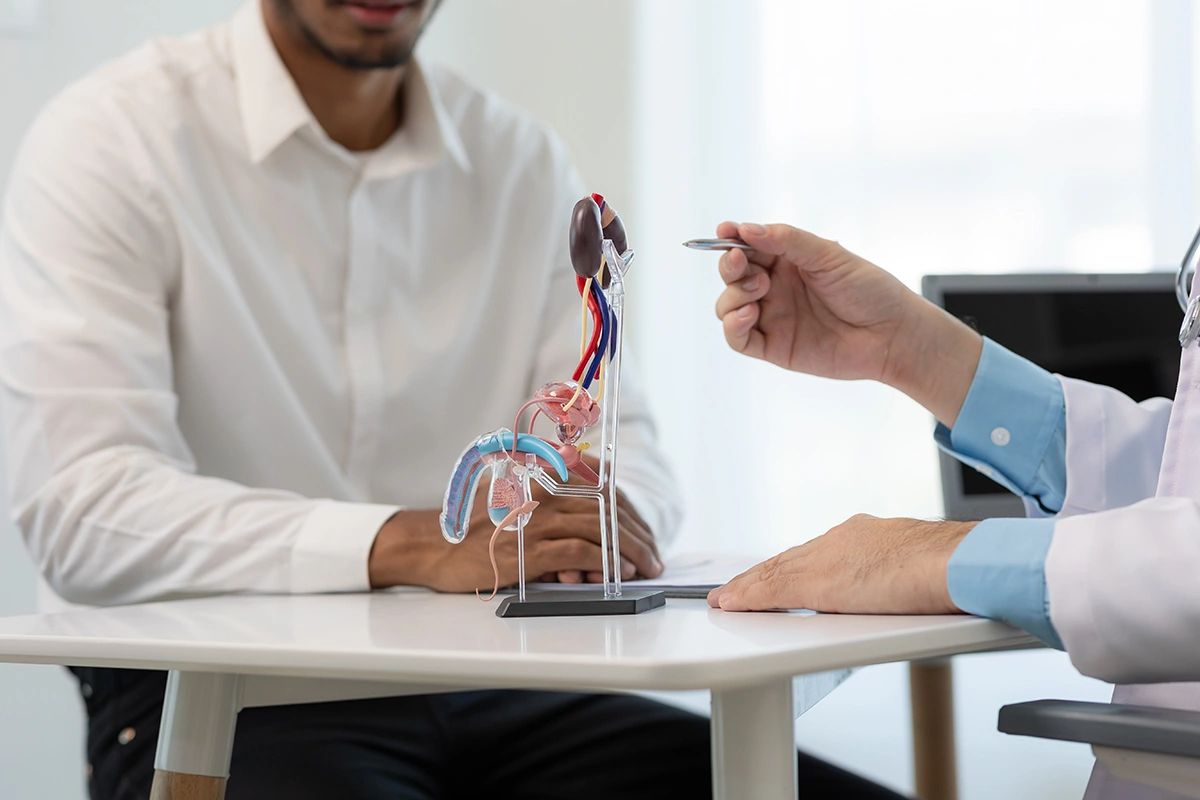

Have you been noticing that it takes longer to finish urinating or that your urine flow feels weaker than before? This is a common concern for many men, especially as the body changes with age. One possible explanation is an enlarged prostate, a condition where the small gland below the bladder grows and begins to affect how comfortably you urinate.
Noticing these changes can be the first step in understanding your urinary health. By recognising the signs early, you can take proactive measures and seek professional advice before symptoms become more disruptive.
Understanding the Prostate and Its Role
The prostate is a small gland located just below the bladder, surrounding the urethra. Its primary function is to produce fluid that combines with sperm to form semen, but its size can also influence how easily urine passes through the urethra.
As men age, the prostate often grows gradually. This enlargement, known as enlarged prostate (BPH) or benign prostatic hyperplasia, can press on the urethra and reduce urine flow, resulting in a weak stream. While BPH is non-cancerous, it can significantly affect urinary function if left untreated. However, it’s important to remember that not all urinary changes are caused by an enlarged prostate. Persistent or bothersome symptoms should always be evaluated by a specialist to identify the underlying cause and appropriate treatment.
Signs and Symptoms to Watch For
A weak urine stream is often accompanied by other noticeable changes. Common signs may include:
- Difficulty starting urination or needing to strain
- A dribbling flow at the end of urination
- Feeling that the bladder has not emptied completely
- Frequent urges to urinate, especially at night
Possible Causes Beyond an Enlarged Prostate
While BPH is a common cause, other conditions can also affect urine flow. These include urinary tract infections, bladder stones or narrowing of the urethra. In rare cases, more serious conditions such as prostate cancer may also be involved.
A thorough evaluation by a urologist can help identify the exact cause. This may involve urine tests, imaging or a physical examination to ensure that any underlying issue is properly addressed.

How Diagnosis Works
If you notice a weak stream, your doctor will begin by taking a detailed medical history and discussing your symptoms. They may perform a digital rectal examination to assess the size and shape of your prostate. Additional tests may include:
- Urine flow measurement
- Ultrasound of the bladder and prostate
- Blood tests to check prostate health
Treatment Options Tailored to You
Treatment for a weak urine stream depends on the cause and severity of symptoms. For mild cases of BPH, lifestyle adjustments and monitoring may be sufficient. Strategies can include reducing evening fluid intake and avoiding bladder irritants such as caffeine.
For more persistent or severe symptoms, medical therapies may help relax the muscles around the prostate or shrink its size. Minimally invasive procedures are also available for men who require more definitive treatment. The goal is always to restore comfortable urination while minimising disruption to your daily life.
Take Control of Your Urinary Health
A weak urine stream may seem like a minor inconvenience, but leaving it unchecked can lead to complications such as urinary retention, infections or even kidney problems. The good news is that early intervention can prevent these issues and improve your quality of life.
At Png Urology, Dr Damian Png provides assessment and personalised treatment for men experiencing urinary changes. With the right care, you can restore normal urinary function and protect your long-term urological health. Schedule an appointment today to take the first step.
Frequently Asked Questions About Weak Urine Stream in Men
Can a weak urine stream be caused by something other than an enlarged prostate?
Yes. Other causes include urinary tract infections, bladder stones, urethral narrowing or in rare cases, prostate cancer. A specialist evaluation is needed to determine the exact cause.
What treatment options are available?
Treatment depends on the cause and severity. Mild BPH may be managed with lifestyle changes, such as reducing evening fluids or avoiding caffeine. Medications can help relax or shrink the prostate, while minimally invasive procedures are available for more persistent symptoms.
When should I see a urologist?
You should consult a urologist if you notice a persistent weak urine stream, difficulty urinating, frequent urges at night or other urinary changes. Early evaluation helps prevent complications and ensures appropriate treatment.
Meet Our Urologist in Singapore
Dr Damian Png Jin Chye
Senior Consultant, Urologist
MBBS (Singapore)
FRCS (Edinburgh)
M.Med (Surgery)
FAMS (Urology)
Dr Damian Png is a senior consultant urologist in private practice at Mount Elizabeth Medical Centre and Parkway East Hospital, with over 14 years of experience as a former consultant urologist and Assistant Professor at the National University Hospital and National University of Singapore. Trained in Singapore with subspecialty expertise gained in the United Kingdom and Germany, Dr Png has a strong focus on minimally invasive and reconstructive urology. His clinical interests include prostate conditions, urinary stone management and urinary strictures, allowing him to provide targeted and effective care tailored to each patient.
|
To arrange an appointment, please leave your name and contact number and we will call you back as soon as possible. |
|
|