 Call us at
(65) 6732 2966
Call us at
(65) 6732 2966

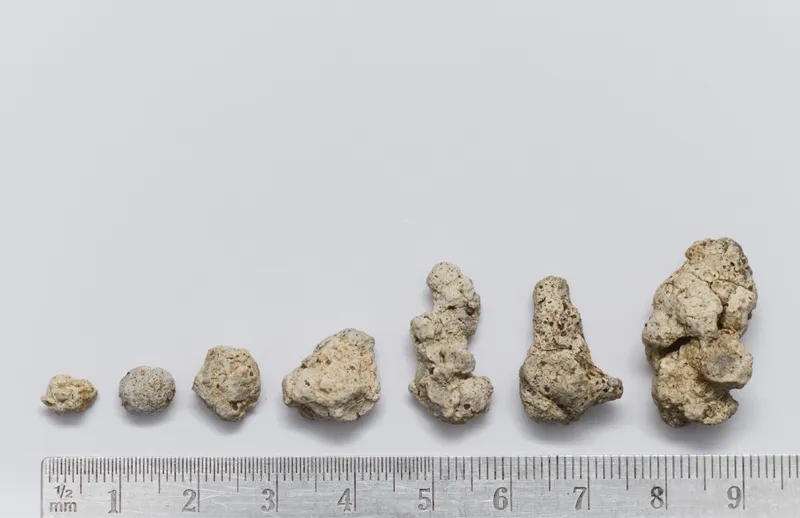

Kidney stone pain can be sudden and intense, but having a kidney stone does not automatically mean you will need surgery. Many smaller stones can pass through the urinary tract naturally with appropriate monitoring and symptom management.
Surgery may be considered when a stone is unlikely to pass on its own or begins to cause problems such as persistent pain, urinary obstruction or infection. In some cases, intervention is also needed to protect kidney function.
Can Kidney Stones Pass Without Surgery?
Many kidney stones can pass naturally through the urinary tract without surgery. Whether this is likely depends largely on the stone's size and location, as well as whether it is moving and causing any complications.
When natural passage is considered reasonable, your urologist may recommend monitoring the stone while managing symptoms and allowing time for it to pass. Follow-up may include imaging to check whether the stone has moved and whether urine is draining normally from the kidney.
However, observation is not suitable for every stone. A stone that is too large to pass easily, remains lodged in the urinary tract or begins to affect drainage may require active treatment instead.
How Stone Size and Location Affect the Need for Surgery
Stone size and location are important when estimating whether a kidney stone is likely to pass naturally. They also help a urologist determine whether monitoring remains appropriate or active treatment should be considered.
Larger Stones
In general, smaller kidney stones are more likely to pass on their own, while the likelihood of natural passage decreases as stone size increases. A larger stone may therefore be monitored differently or treated earlier, particularly if it is unlikely to progress through the ureter or is already causing obstruction.
Stones in the Ureter
Stones that have travelled further down the ureter towards the bladder may have a better chance of passing naturally than stones located higher up. However, location is considered alongside stone size, symptoms and whether the stone is progressing, rather than being used on its own to determine whether surgery is needed.
Stones Within the Kidney
A stone that remains within the kidney may be discovered before it causes any symptoms. Some of these stones can be monitored rather than treated immediately, particularly if they are not growing or interfering with urine drainage.
Treatment may be considered if the stone increases in size, begins causing symptoms or creates a risk of obstruction. Its position within the kidney can also influence whether intervention is recommended and which treatment may be suitable.

When Is Kidney Stone Surgery Necessary?
Kidney stone surgery may be recommended when waiting for the stone to pass is unlikely to be effective or could lead to complications. The need for treatment may become more urgent if urinary obstruction occurs alongside infection or begins to affect kidney function.
Severe Pain That Does Not Improve
Kidney stone pain can sometimes be managed with medication while the stone is given time to pass. However, if pain remains severe or repeatedly returns despite appropriate treatment, active stone removal may be considered rather than continuing to wait for natural passage.
Persistent Urinary Blockage
A stone lodged in the ureter can obstruct the flow of urine from the kidney. If the obstruction persists, pressure can build within the kidney and potentially affect its function. Surgery may be needed to clear the obstruction when the stone is not passing on its own.
Fever Or Signs Of Infection
A kidney stone that causes urinary obstruction together with infection requires urgent medical attention. Symptoms can include fever and chills alongside kidney stone symptoms. Treatment may first involve draining the blocked kidney and treating the infection before the stone itself is removed at a later stage.
Declining Kidney Function
Persistent obstruction can impair kidney function, particularly if drainage remains compromised for an extended period. If tests show that the affected kidney is not functioning as it should, intervention may be recommended to relieve the obstruction and reduce the risk of further damage.
Get a Clear Treatment Plan for Kidney Stones at Png Urology
If a kidney stone is not passing, symptoms keep returning or there are concerns about urinary obstruction, further assessment can clarify what should happen next. Imaging and other investigations can help establish the stone's size and location, whether it is affecting urine drainage or kidney function, and whether continued monitoring or active treatment is more appropriate.
At Png Urology, patients can receive assessment and treatment for kidney stones, from monitoring stones that may pass naturally to managing those that require intervention. Dr Damian Png has a clinical interest in urinary stone management and provides treatment based on the characteristics of the stone and its effects on the urinary system. Schedule an appointment to have your kidney stone assessed and discuss the appropriate next steps.
Frequently Asked Questions About Kidney Stone Surgery
Can kidney stones come back after surgery?
Yes. Surgery treats existing kidney stones but does not prevent new stones from forming. Depending on your risk factors and the type of stone, your urologist may recommend changes to fluid intake or diet, as well as urine or blood tests to investigate why stones are forming and help reduce the risk of recurrence.
Can a kidney stone be treated without an incision?
Yes. Some kidney stones can be treated without an external surgical incision. For example, ureteroscopy accesses the stone through the urinary tract, while shock wave lithotripsy uses shock waves from outside the body to break certain stones into smaller fragments. The appropriate method depends on factors such as the stone's size and location.
What tests are done before kidney stone surgery?
Assessment commonly includes imaging to determine the stone's size and location, together with urine and blood tests to check for infection and assess kidney function. Additional investigations may be needed depending on the stone and the planned procedure.
Does a kidney stone always need to be removed once it is found?
No. Some kidney stones that are not causing symptoms, obstruction or other complications can be monitored rather than removed immediately. Whether treatment is recommended depends on factors such as the stone's size, location and whether it changes over time. Follow-up imaging may be used to monitor stones that are being observed.
Does getting surgery mean my condition is severe?
Not necessarily. Surgery may be recommended because a stone is unlikely to pass naturally or because removing it is preferable to continued observation. The need for a procedure does not by itself mean that the condition is severe; the decision depends on the stone and how it is affecting the urinary system.
Meet Our Doctor
Dr Damian Png Jin Chye
Senior Consultant, Urologist
MBBS (Singapore)
FRCS (Edinburgh)
M.Med (Surgery)
FAMS (Urology)
Dr Damian Png is a senior consultant urologist in private practice at Mount Elizabeth Medical Centre and Parkway East Hospital, with over 14 years of experience as a former consultant urologist and Assistant Professor at the National University Hospital and National University of Singapore. Trained in Singapore with subspecialty expertise gained in the United Kingdom and Germany, Dr Png has a strong focus on minimally invasive and reconstructive urology. His clinical interests include prostate conditions, urinary stone management and urinary strictures, allowing him to provide targeted and effective care tailored to each patient.
|
To arrange an appointment, please leave your name and contact number and we will call you back as soon as possible. |
|
|