 Call us at
(65) 6732 2966
Call us at
(65) 6732 2966

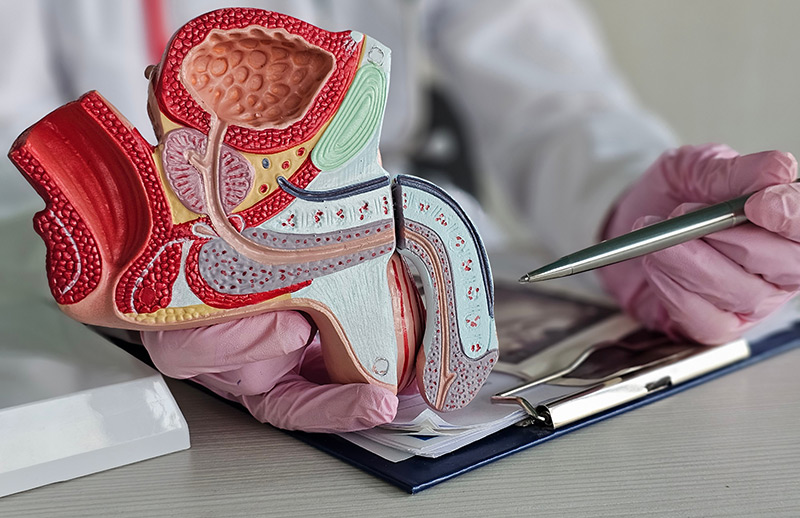

If you have been referred to a urologist or are planning to book your first appointment, it is natural to feel uncertain about what to expect. Many people worry that the consultation will involve uncomfortable examinations or invasive tests straight away. In reality, a first visit is usually focused on understanding your symptoms, identifying possible causes and deciding whether further investigations are needed.
Knowing what happens during your appointment can help you feel more prepared and make it easier to discuss your concerns openly with your doctor.
Preparing for Your First Urology Appointment
A little preparation can help you get the most out of your consultation. Before your appointment, it is helpful to:
- Bring a list of your current medications and supplements
- Note when your symptoms started and whether anything makes them better or worse
- Record how often you pass urine if urinary symptoms are your main concern
- Bring previous medical reports, scans or blood test results if available
- Prepare any questions you would like to ask your doctor
In some cases, you may also be asked to arrive with a comfortably full bladder if a urine test or bladder scan is planned.
What Happens During the Consultation?
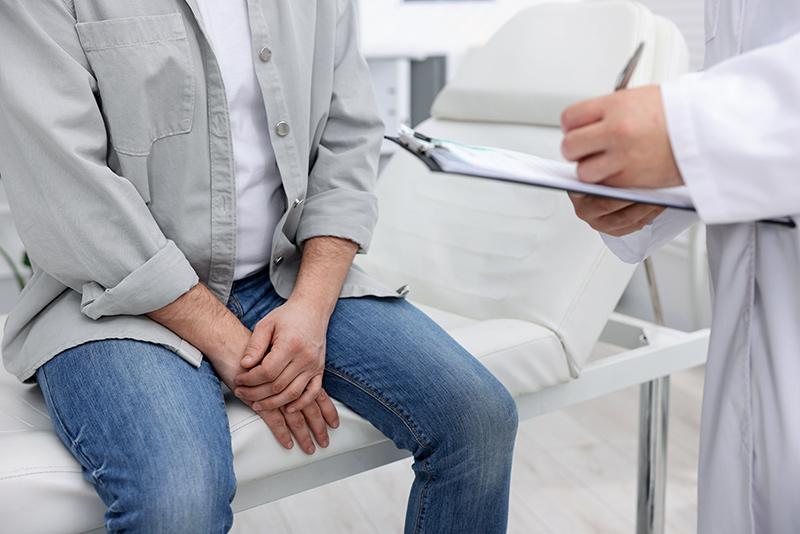
The first appointment is primarily a discussion about your symptoms and medical history. Your urologist will use this information to determine the most likely causes before recommending any investigations.
Medical History
Your doctor will ask detailed questions about your symptoms, including:
- When they first began
- How often they occur
- Whether they are getting worse
- Any associated pain or bleeding
- Previous urinary tract infections or kidney stones
- Past medical conditions and surgeries
- Family history of urological conditions or cancer
Depending on your symptoms, you may also be asked about your fluid intake, smoking history, sexual health and lifestyle habits.
Physical Examination
Not every patient requires the same examination. The assessment depends on your symptoms and the area of concern.
Your urology specialist may perform:
- An examination of the abdomen to check for tenderness or enlarged organs
- Examination of the external genital area when relevant
- Assessment for hernias or scrotal swelling
- A digital rectal examination (DRE) in men when evaluating the prostate
A DRE involves gently inserting a gloved, lubricated finger into the rectum to assess the size, shape and consistency of the prostate gland. Although many patients feel anxious beforehand, the examination is usually brief and causes only mild discomfort.
What Tests Might Be Recommended?
Not everyone requires extensive investigations during their first visit. Tests are selected based on your symptoms and examination findings.
Urine Tests
A urine sample may be collected to check for signs of:
- Infection
- Blood
- Protein
- Glucose
- Other abnormalities
If an infection is suspected, your doctor may also send the sample for laboratory culture to identify the bacteria involved and determine the most appropriate treatment.
Blood Tests
Blood tests may be recommended to provide further information about your condition. Depending on your symptoms, these may help assess:
- Kidney function, particularly if kidney stones or urinary tract obstruction are suspected
- Signs of infection
- PSA levels if prostate disease is suspected
- Other relevant health markers
Ultrasound
Ultrasound is a painless imaging test that uses sound waves to examine the kidneys, bladder, prostate or scrotum. It can help identify conditions such as kidney stones, urinary retention, an enlarged prostate and testicular abnormalities.
In some patients, ultrasound may also be used to assess how much urine remains in the bladder after urination, providing additional information about bladder emptying.
Additional Investigations
Some patients may require further investigations after the initial consultation if more detailed assessment is needed. Depending on your symptoms, these may include:
- Flexible cystoscopy to examine the bladder and urethra
- CT scan for suspected kidney stones or urinary tract abnormalities
- MRI for selected prostate or kidney conditions
These investigations are only recommended when clinically indicated and are usually arranged as follow-up appointments.
What Happens If Treatment Is Needed?
The next step depends on the findings from your consultation and any investigations performed. In some cases, your urologist may be able to recommend treatment during your first visit. For others, additional tests may be needed before a diagnosis is confirmed and a personalised treatment plan can be developed.
Depending on your condition, treatment may include:
- Medication
- Lifestyle or dietary modifications
- Monitoring with follow-up appointments
- Minimally invasive procedures
- Surgery, where appropriate
If a procedure or operation is recommended, your urologist will explain the reason for treatment, the available options, the expected benefits, potential risks and what to expect during recovery. This allows you to make an informed decision about your care with a clear understanding of the next steps.
Take the Next Step With Dr Damian Png
Your first appointment with a urologist is designed to identify the cause of your symptoms through a structured consultation, targeted examination and appropriate investigations where necessary. In many cases, the visit is more straightforward than patients expect, with decisions about further testing or treatment tailored to your individual needs.
At Png Urology in Singapore, care is provided under the guidance of Dr Damian Png, who provides thorough assessment and personalised care for a wide range of urological conditions. Whether you have recently developed symptoms or have been living with ongoing concerns, schedule a consultation to help you better understand your condition and the treatment options available.
Frequently Asked Questions About Your First Urologist Visit
Will I need a prostate examination during my first visit?
Not necessarily. A prostate examination is only performed if it is relevant to your symptoms or medical history, and your doctor will explain why it is recommended beforehand.
Should I come to my appointment with a full bladder?
It depends on the reason for your visit. Some patients may be asked to arrive with a comfortably full bladder if urine tests or bladder scans are planned.
Can I bring someone with me to the appointment?
Yes. If it helps you feel more comfortable, you may bring a family member or friend for support during the consultation.
Meet Our Urologist in Singapore
Dr Damian Png Jin Chye
Senior Consultant, Urologist
MBBS (Singapore)
FRCS (Edinburgh)
M.Med (Surgery)
FAMS (Urology)
Dr Damian Png is a senior consultant urologist in private practice at Mount Elizabeth Medical Centre and Parkway East Hospital, with over 14 years of experience as a former consultant urologist and Assistant Professor at the National University Hospital and National University of Singapore. Trained in Singapore with subspecialty expertise gained in the United Kingdom and Germany, Dr Png has a strong focus on minimally invasive and reconstructive urology. His clinical interests include prostate conditions, urinary stone management and urinary strictures, allowing him to provide targeted and effective care tailored to each patient.
|
To arrange an appointment, please leave your name and contact number and we will call you back as soon as possible. |
|
|